Heat Pump Hot Water Melbourne: An Efficient Hot Water Solution for Modern Homes
Hot water is an essential part of everyday life. From morning showers and washing dishes to laundry and cleaning, Melbourne households rely on a dependable hot water system throughout the year. As homeowners look for more efficient ways to manage household energy use, heat pump hot water systems are becoming an option worth considering.A heat pump hot water system uses electricity to transfer heat into water rather than generating heat directly in the same way as a conventional electric resistance system. When appropriately selected and installed, this technology can form part of a modern home's energy strategy.
Powerband Electrical provides electrical and energy solutions for Melbourne homeowners, including hot water system services, home electrification, solar and battery systems, heating and cooling, and EV charging.
If you are considering Heat Pump Hot Water Melbourne services, understanding how heat pump systems work, what installation involves, and what factors to consider can help you plan your hot water upgrade.
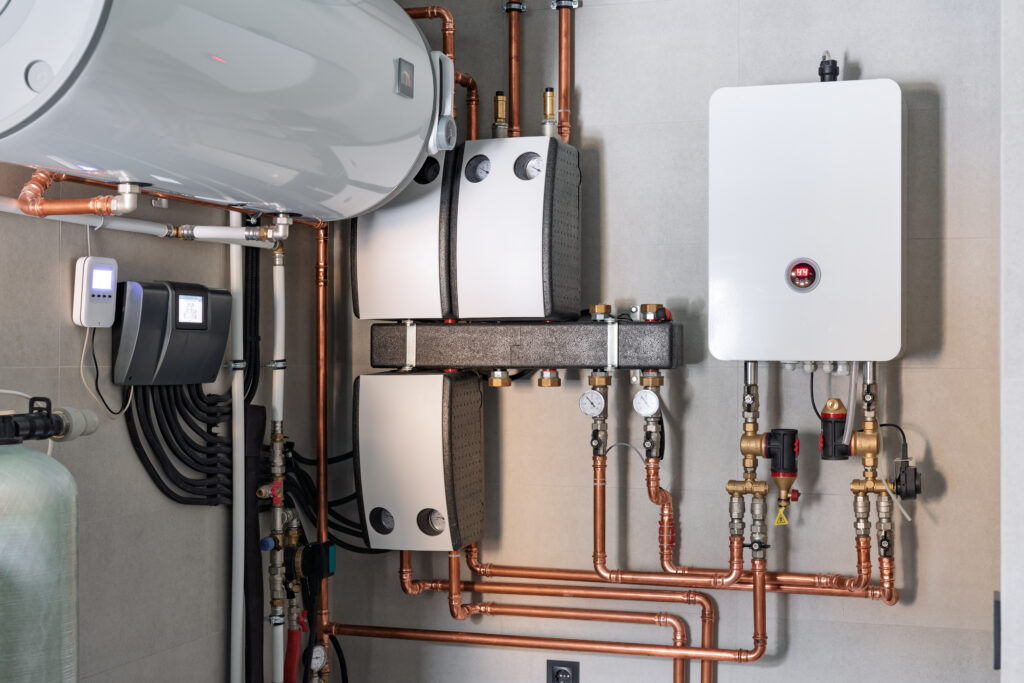
What Is a Heat Pump Hot Water System?
A heat pump hot water system uses electricity to extract heat from the surrounding air and transfer that heat into water stored in a tank.
Unlike conventional electric water heaters that use electrical resistance elements to directly heat water, heat pump systems use refrigeration-cycle technology to move heat.
This approach can provide an alternative for homeowners looking to replace older hot water equipment or transition away from gas.
Heat pump systems can be suitable for different types of properties, although the appropriate system depends on household hot water requirements, available installation space, climate, electrical supply, and other property-specific factors.
Why Consider Heat Pump Hot Water Melbourne?
For homeowners researching Heat Pump Hot Water Melbourne, energy efficiency is often one of the key considerations.
A heat pump can move more heat energy into the water than the electrical energy it consumes under suitable operating conditions. Actual performance varies depending on the model, outdoor conditions, water temperature settings, household usage, and installation.
Heat pump hot water can also form part of a wider home electrification strategy.
For example, homeowners may combine a heat pump hot water system with:
- Solar panels
- Solar battery storage
- Reverse-cycle heating and cooling
- Induction cooking
- Electric vehicle charging
- Other energy-efficient appliances
By planning these technologies together, homeowners can consider how electricity is generated and consumed throughout the day.
Hot Water System Installation Melbourne
Professional Hot Water System Installation Melbourne services can help ensure the new system is appropriately connected and positioned.
Installation requirements vary between models and properties. Before installation, important considerations can include the location of the hot water system, available space, electrical requirements, plumbing connections, household demand, and existing infrastructure.
An electrical professional can assess the electrical requirements and help ensure the system is connected appropriately.
Choosing the Right System Size
Household hot water consumption varies considerably.
A small household may have different requirements from a large family. The number of occupants, shower habits, appliances, and other hot water uses can influence the amount of hot water required.
Choosing a system with appropriate capacity can help ensure the household has access to sufficient hot water without unnecessarily selecting equipment that is larger than required.
A professional assessment can help identify the appropriate system configuration for your property.
Hot Water Replacement Melbourne
If your existing hot water system is old, unreliable, or no longer suitable for your household, Hot Water Replacement Melbourne services can provide an opportunity to consider a modern alternative.
Common reasons homeowners replace a hot water system include:
- Frequent breakdowns
- Increasing repair requirements
- Age of the existing system
- Changes in household size
- Transitioning away from gas
- Desire for improved energy efficiency
- Renovation or property upgrades
- Integration with solar power
Replacing a hot water system also provides an opportunity to review the home's broader energy requirements.
For example, if a homeowner is already planning solar panels or other electrical upgrades, the hot water system can be considered as part of the overall home energy strategy.
Heat Pump Hot Water Installation Melbourne
When planning Heat Pump Hot Water Installation Melbourne, selecting an appropriate location is an important consideration.
Heat pump systems generally require suitable outdoor space and adequate airflow around the equipment. The exact requirements depend on the model and manufacturer specifications.
Other installation considerations can include:
- System capacity
- Electrical connection
- Water connections
- Location and accessibility
- Clearance around the unit
- Noise considerations
- Existing hot water infrastructure
- Household demand
Professional installation can help ensure these factors are considered before the system is commissioned.
Energy Efficient Hot Water Systems Melbourne
Homeowners researching Energy Efficient Hot Water Systems Melbourne may compare several technologies, including heat pumps, solar hot water, conventional electric systems, and gas systems.
The most appropriate choice depends on the property and household requirements.
Heat pump technology can be particularly relevant for homeowners looking to increase the use of electricity within their homes while reducing reliance on gas-powered appliances.
When paired with solar panels, a heat pump hot water system may also be able to use suitable solar-generated electricity during daylight hours. How much solar energy can be used depends on the home's electricity consumption, solar system size, hot water controls, and system configuration.
Combining Heat Pump Hot Water with Solar
Solar energy and heat pump hot water can complement each other as part of a home's energy strategy.
Solar panels generate electricity during daylight hours. A heat pump hot water system can use electricity to heat water, creating an opportunity to use some solar generation for hot water when conditions and system controls allow.
Some homeowners may choose to operate their hot water system during periods when solar generation is available. However, the best operating schedule depends on household energy usage and the specific equipment installed.
A professional assessment can help determine how a hot water system can fit into an existing solar setup.
Heat Pumps and Home Electrification
Replacing a gas hot water system with an electric heat pump can be one component of a broader home electrification project.
Home electrification may involve transitioning multiple household systems to electricity, including:
- Hot water
- Heating and cooling
- Cooking
- Vehicle charging
- Solar and battery storage
Instead of considering each upgrade separately, homeowners can develop an overall plan based on the property's electrical capacity and future energy needs.
For example, installing a heat pump, EV charger, and induction cooktop may increase the home's electrical demand. An electrical assessment can help determine whether the existing electrical infrastructure can accommodate these additions.
Maintaining Your Hot Water System
Like other household equipment, hot water systems require appropriate care and maintenance.
Homeowners should follow the manufacturer's recommendations regarding servicing and maintenance. Monitoring the system can also help identify unusual noises, water leaks, changes in hot water availability, or other unexpected issues.
If the system develops an electrical fault, homeowners should avoid attempting electrical repairs themselves. A qualified professional should inspect the equipment and determine the appropriate solution.
Regular professional attention can help identify potential problems and ensure the system continues to operate as intended.
Why Choose Powerband Electrical?
Installing a new hot water system involves electrical, water, space, and household energy considerations. Working with experienced professionals can help homeowners understand the installation requirements and available options.
Powerband Electrical provides electrical and energy solutions for Melbourne homeowners, including hot water systems, home electrification, solar panels, solar batteries, heating and cooling, and EV charging.
Whether you are searching for Heat Pump Hot Water Melbourne, planning Hot Water System Installation Melbourne, or replacing an older system with Hot Water Replacement Melbourne, professional advice can help you select an appropriate solution.
For homeowners interested in Heat Pump Hot Water Installation Melbourne, Powerband Electrical can assess the electrical requirements and help plan the installation.
If energy efficiency is a priority, exploring Energy Efficient Hot Water Systems Melbourne can also be part of a wider home electrification strategy.
Upgrade Your Melbourne Home's Hot Water System
A reliable hot water system can make everyday life more comfortable while supporting your home's overall energy requirements. Heat pump technology provides Melbourne homeowners with an electric alternative to conventional hot water systems and can potentially work alongside solar energy and other electric technologies.
Before choosing a system, consider your household's hot water demand, available installation space, existing electrical infrastructure, solar generation, and future plans.
Powerband Electrical can help Melbourne homeowners explore hot water and broader electrical solutions suited to their properties.
Contact Powerband Electrical to discuss your hot water requirements and explore options for a modern, efficient hot water system.